Veteran journalist Scott Pelley has reportedly been dismissed from CBS following a heated confrontation with newly appointed 60 Minutes executive producer Nick Bilton, marking a dramatic turning point for one of American television’s most respected news programs.
According to reports, the dispute unfolded during a staff meeting shortly after Bilton assumed leadership of 60 Minutes. Pelley, who has been one of the program’s most recognizable correspondents for decades, allegedly challenged both Bilton’s qualifications and broader changes taking place within CBS News. The exchange quickly became a focal point of growing concerns about the future direction of the iconic broadcast.
A termination letter reportedly sent to Pelley accused the veteran correspondent of displaying hostility, disrupting the meeting, and undermining efforts to move the program forward. The letter stated that his employment had been terminated “for cause” and claimed that he had shown little interest in contributing to the show’s future success.

The reported firing comes amid significant changes inside CBS News. Bilton’s appointment as executive producer was part of a larger restructuring effort that has already resulted in notable personnel shifts. These developments have generated considerable discussion within media circles, with observers questioning how the changes could affect the identity and editorial standards of 60 Minutes, a program long regarded as a cornerstone of investigative journalism.
Pelley has not hidden his concerns. Reports indicate that he openly criticized current CBS leadership during the staff meeting, expressing fears that the values and traditions associated with 60 Minutes were being eroded. He allegedly argued that recent management decisions were damaging the program and questioned whether new leadership could maintain the standards that helped establish its reputation over several decades.
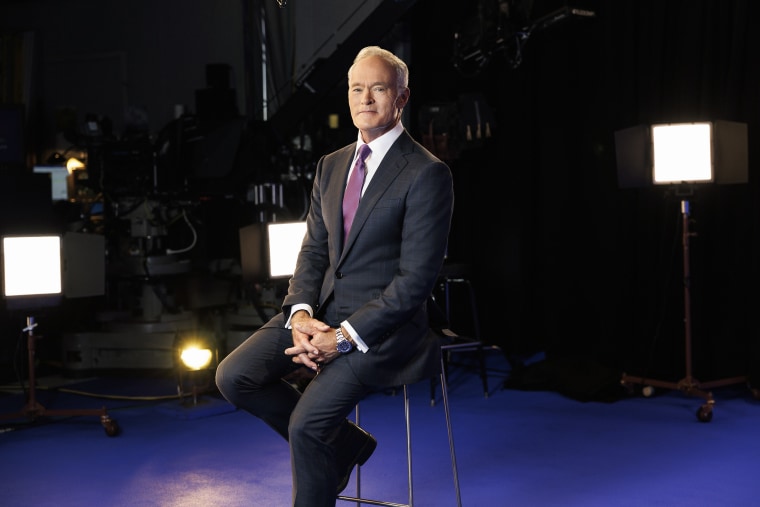
Following news of his departure, Pelley reportedly reflected on the sacrifices he made throughout his career as a journalist. He highlighted his experiences reporting from conflict zones, including Afghanistan, Iraq, and Ukraine, emphasizing the personal and professional risks he accepted in service of the broadcast. His remarks underscored the deep connection he feels to 60 Minutes and the role it has played in his life.
For many viewers, Pelley became synonymous with serious, in-depth reporting. His calm on-air presence and extensive experience covering major world events earned him widespread respect within the journalism industry. As a result, news of his departure has drawn significant attention from both media professionals and longtime audience members.
:max_bytes(150000):strip_icc():focal(749x0:751x2)/Scott-Pelley-Bari-Weiss-060126-7e06897b3bd043adb233a3b6c40916cb.jpg)
The situation also reflects broader tensions facing modern news organizations. Traditional media outlets continue to navigate changing audience habits, evolving business pressures, and debates over editorial direction. Leadership transitions often bring new priorities, but they can also create friction when veteran journalists feel established principles are at risk.
At this stage, questions remain about what comes next for both Pelley and 60 Minutes. CBS leadership appears committed to its new direction, while Pelley’s comments suggest he remains deeply concerned about the program’s future. Whether the controversy eventually fades or becomes a defining chapter in the history of 60 Minutes, it has already highlighted the challenges of balancing institutional change with a legacy built over generations.
UDHËTO LIRË.
UDHËTO KOMOD.
Rezervo online shpejt, lehtë dhe pa stres.