The global sports world has entered a new chapter of admiration and reflection after Alysa Liu was officially named by TIME as one of the 100 most influential people in global sports, a recognition that crystallizes a year defined not only by competitive dominance but by cultural impact, resilience, and an evolving legacy that stretches far beyond the ice. In a landscape where athletic excellence often fades quickly in the fast-moving news cycle, Liu’s ascent has proven unusually enduring, shaped by a compelling combination of artistic innovation, personal storytelling, and a trajectory that has captivated audiences across continents.
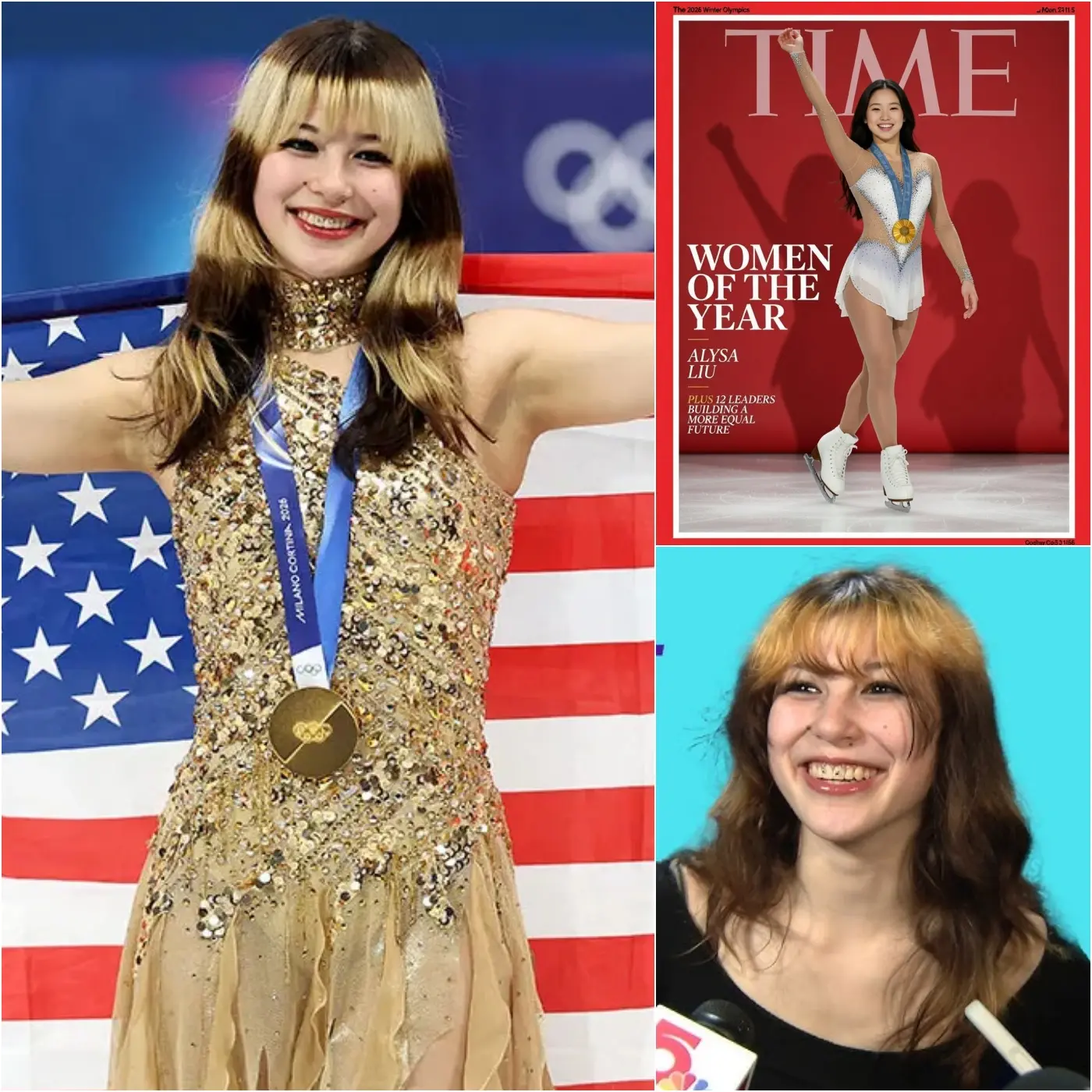
The announcement did not arrive as a shock to analysts who have closely followed the trajectory of her career, yet the symbolic weight of being included in TIME’s prestigious list signals something deeper than medals and podium finishes. It reflects a shift in how influence in sports is measured, where emotional connection, authenticity, and global resonance now sit alongside technical brilliance. Liu’s year, crowned by a gold medal at the upcoming 2026 Winter Olympics and amplified by the anticipation surrounding her forthcoming book, has elevated her from elite competitor to a defining voice in modern figure skating and beyond.
Industry insiders describe her recognition as the culmination of a narrative that has been building steadily since her early teenage breakthrough, when she stunned the skating world with performances that fused precision with fearless artistry. That same daring spirit has remained intact as her career matured, evolving into a more refined yet emotionally powerful presence on the ice that resonates with both traditional fans and a new generation discovering figure skating through digital platforms and viral performance clips.
According to TIME’s editorial note accompanying the announcement, Liu’s influence extends into cultural discourse and youth inspiration, an uncommon feat for an athlete in a discipline often considered niche outside major Olympic cycles.
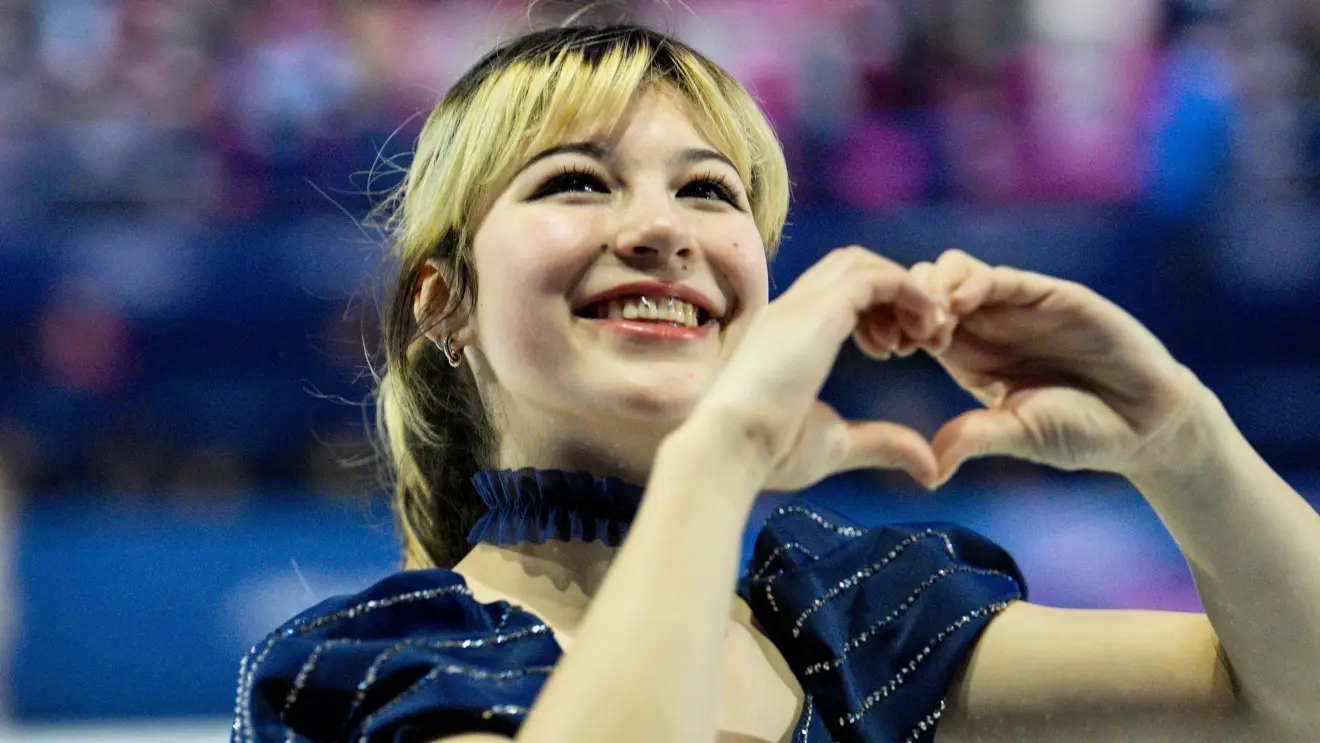
A senior editor at the publication emphasized the broader significance of the selection, stating that Liu represents “a new archetype of athlete whose impact cannot be confined to results sheets or seasonal rankings but is defined by how she shapes conversations around identity, perseverance, and artistic freedom in sport.” The statement underscored the reasoning behind her inclusion, portraying her as a figure who embodies both excellence and relatability.
Liu herself responded with measured humility in a brief statement following the confirmation, reflecting on a year that has fundamentally reshaped public perception of her career. “This recognition means more than any single result,” Liu said. “It represents the people who believed in me when my path wasn’t linear and when stepping away, returning, and evolving felt uncertain.” Her words echoed a recurring theme in her journey, one rooted in resilience rather than uninterrupted dominance, a narrative arc that has resonated strongly with fans navigating their own challenges in a rapidly changing world.
The timing of the honor is particularly significant given the heightened global attention surrounding her Olympic success. Analysts have noted that Liu’s gold medal performance was not merely a technical triumph but a cultural moment that ignited widespread engagement across social media platforms and mainstream news outlets. Viewership metrics surged during her programs, and her performances were repeatedly described as emotionally cinematic, blending athletic discipline with storytelling in a way that transcended sport and entered the realm of performance art.
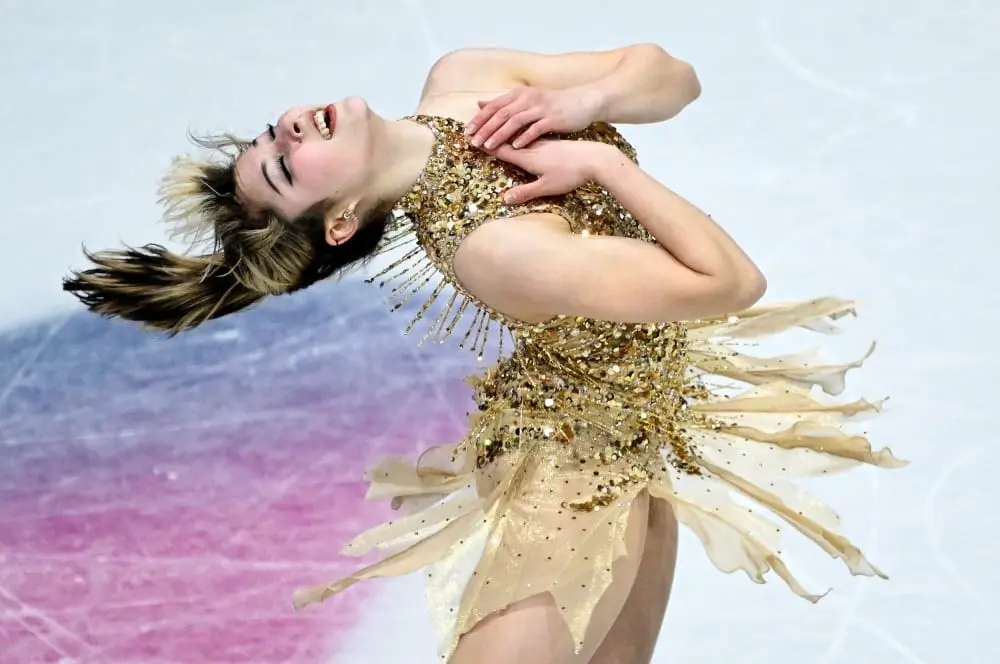
Beyond the ice rink, Liu’s upcoming book has become a focal point of curiosity among publishers, sports commentators, and fans eager to understand the psychological and personal layers behind her competitive resurgence. Early previews suggest a narrative centered on growth, self-rediscovery, and the pressures of global expectation, themes that align seamlessly with the broader narrative that TIME appears to be celebrating. Publishing insiders believe the book will further cement her influence by offering a rare introspective look at the inner world of an Olympic champion navigating fame at a young age.
Coaches and fellow athletes have also weighed in on the significance of her recognition, describing it as a validation of her transformative impact on the sport. One veteran figure skating coach remarked that Liu’s presence has reshaped how younger skaters approach choreography and performance intensity, noting that her willingness to experiment with musical interpretation and technical risk has subtly shifted competitive norms. “She changed the emotional language of skating,” the coach explained. “Judges, audiences, and even competitors now expect more storytelling because of what she brought to the ice.”
Sports marketing experts have pointed out that Liu’s influence is also evident in brand engagement and youth participation metrics, which reportedly spiked following her Olympic victory and subsequent media appearances. Her authenticity and grounded public persona have made her particularly appealing to younger audiences, a demographic increasingly critical to the sustainability of winter sports in a digital era. Unlike many high-profile athletes whose fame is driven primarily by endorsement visibility, Liu’s appeal appears rooted in relatability and narrative depth, qualities that align closely with TIME’s evolving criteria for influence.
Her rise also comes at a pivotal moment for figure skating as a global sport seeking renewed relevance amid shifting entertainment trends. Liu’s performances have consistently generated viral traction, bridging the gap between traditional broadcast audiences and digital-first viewers who consume sports highlights through short-form content. Analysts suggest that her presence has helped reintroduce figure skating to audiences who may not have engaged with the discipline in years, effectively revitalizing its cultural footprint.
In her official remarks following the TIME announcement, Liu acknowledged the collective effort behind her achievements, emphasizing the role of her team, family, and supporters in shaping her journey. “No athlete reaches this stage alone,” she said. “Every performance, every comeback, every moment of growth is built on the support of people who see your potential even when you’re still figuring it out yourself.” The statement reinforced her reputation as a grounded figure within an industry often characterized by intense individualism.
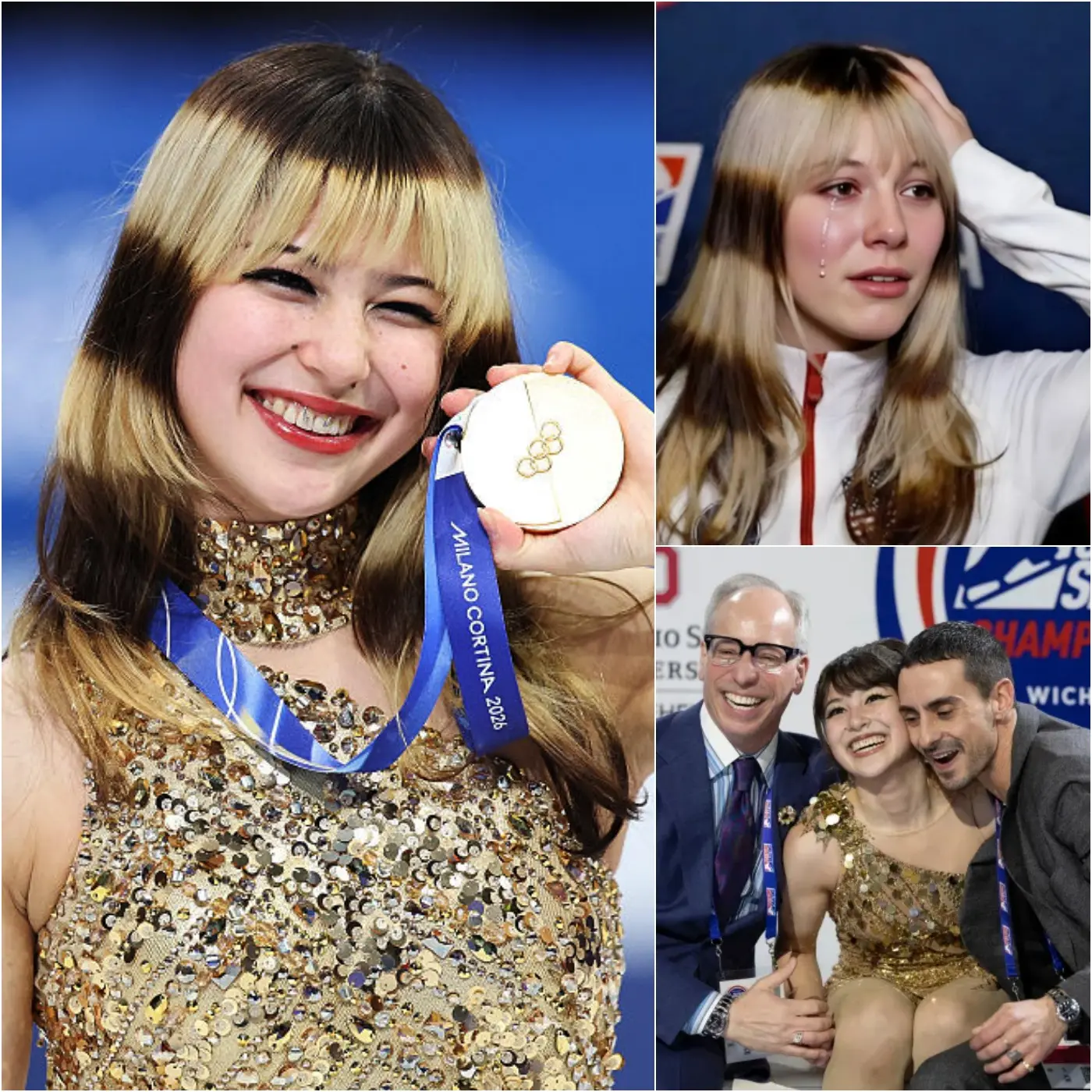
Critics and commentators have also highlighted the symbolic dimension of her inclusion on the influential list, interpreting it as a broader recognition of diversity and evolving representation within elite winter sports. Liu’s background, personal journey, and willingness to speak openly about the mental and emotional aspects of elite competition have contributed to a more inclusive narrative that resonates globally. Her influence, therefore, is not confined to athletic achievement but extends into social and cultural dialogue about what modern sports icons represent.
Meanwhile, TIME’s editors described Liu’s story as emblematic of a generation redefining excellence through authenticity and adaptability. In a brief excerpt accompanying her profile, the publication noted that her journey demonstrates how influence in contemporary sports is increasingly measured by the ability to inspire across disciplines and demographics. The editorial perspective framed her not simply as a champion but as a cultural figure whose narrative aligns with broader societal values of resilience, creativity, and personal evolution.
As anticipation builds around the release of her book, industry observers predict that Liu’s influence will continue to expand into literary and motivational spaces, potentially reaching audiences beyond traditional sports circles. Early discussions suggest that the book will delve into the psychological realities of elite training, the emotional weight of public expectation, and the transformative lessons learned through both success and uncertainty. Such themes are expected to resonate strongly in a global climate where mental resilience and self-awareness have become central to public discourse.
Fellow athletes have expressed admiration for her ability to balance competitive intensity with emotional authenticity, a combination that many believe sets her apart from her contemporaries. Several Olympic competitors have publicly praised her composure under pressure and her willingness to embrace vulnerability in post-performance interviews, describing her as a rare figure who embodies both strength and sincerity.
From a historical perspective, Liu’s inclusion in TIME’s list places her among a select group of athletes whose influence transcends their immediate sport and contributes to wider cultural narratives. Sports historians have noted that such recognition often marks a turning point in an athlete’s legacy, signaling a transition from elite competitor to enduring icon. In Liu’s case, the convergence of Olympic triumph, literary expansion, and global recognition suggests a legacy that is still actively unfolding.
Her year of achievements has also sparked renewed interest in figure skating development programs, with several national federations reporting increased youth enrollment and engagement following her Olympic performances. This ripple effect underscores the tangible impact of her visibility, reinforcing the notion that influence in sports can extend into grassroots participation and long-term talent development.
Despite the scale of her accomplishments, Liu’s public demeanor remains notably composed, a trait frequently cited by commentators as a key factor in her widespread appeal. In one of her recent reflections, she stated, “Success feels meaningful only when it helps someone else believe in their own journey.” The quote has been widely shared across social media, further amplifying her image as an athlete who views achievement through a collective lens rather than a purely personal one.
As the sports world continues to celebrate her recognition by TIME, the broader narrative surrounding Alysa Liu is increasingly defined by transformation, resilience, and cultural resonance. Her story encapsulates a modern athletic journey shaped not only by competitive excellence but by emotional depth and global connection. With an Olympic gold medal, a highly anticipated book, and an influential voice that continues to shape conversations within and beyond figure skating, Liu’s remarkable year stands as a testament to the evolving definition of influence in global sports.
In the months ahead, analysts expect her presence to remain a dominant force in both athletic and cultural spheres, as her narrative continues to inspire audiences who see in her journey a reflection of perseverance, reinvention, and artistic courage. TIME’s recognition, therefore, is not merely an accolade marking past achievements but a signal of enduring relevance, positioning Alysa Liu as one of the defining sports figures of her generation and a lasting symbol of excellence in an era where influence is measured not only by victories but by the stories that shape the world’s imagination.
UDHËTO LIRË.
UDHËTO KOMOD.
Rezervo online shpejt, lehtë dhe pa stres.