The internet gave it a name before they ever could.
“Ice Dancer Era,” fans declared, flooding timelines with edits, slow-motion clips, and breathless captions. But what unfolded between Ilia Malinin and Amber Glenn during the 2026 Games was never about playing pretend partners. It was something far more complicated — and far more real.

They are singles skaters. Individualists by design. The sport trains them to stand alone in the kiss-and-cry, to absorb victory and failure without a hand to hold at center ice. Yet the 2026 Olympics blurred those lines. Viral clips captured shared glances in practice sessions. Cameras lingered on sideline encouragements. Social media stitched together moments — a laugh here, a steadying touch there — and built a narrative that spread faster than any official broadcast.
What fans didn’t see was the emotional gravity behind their bond.
But beneath the fan edits and romantic speculation lay a harsher truth. The Olympic spotlight is unforgiving. For Malinin, hailed as a technical phenomenon, expectations weighed like gravity itself. For Glenn, whose journey to the Games carried its own battles and breakthroughs, every skate felt like both validation and risk. The pressure was not aesthetic. It was relentless.
In that crucible, bonds form differently.
Why Fans Feel Something Is Different
It was never about choreographed lifts or rehearsed chemistry. There were no matching costumes, no planned duets. Instead, there were quiet conversations behind arena walls. Shared understanding in the way only two athletes at the edge of physical and emotional limits can understand. When one stumbled, the other knew the silence that follows. When one soared, the other understood the cost of that ascent.
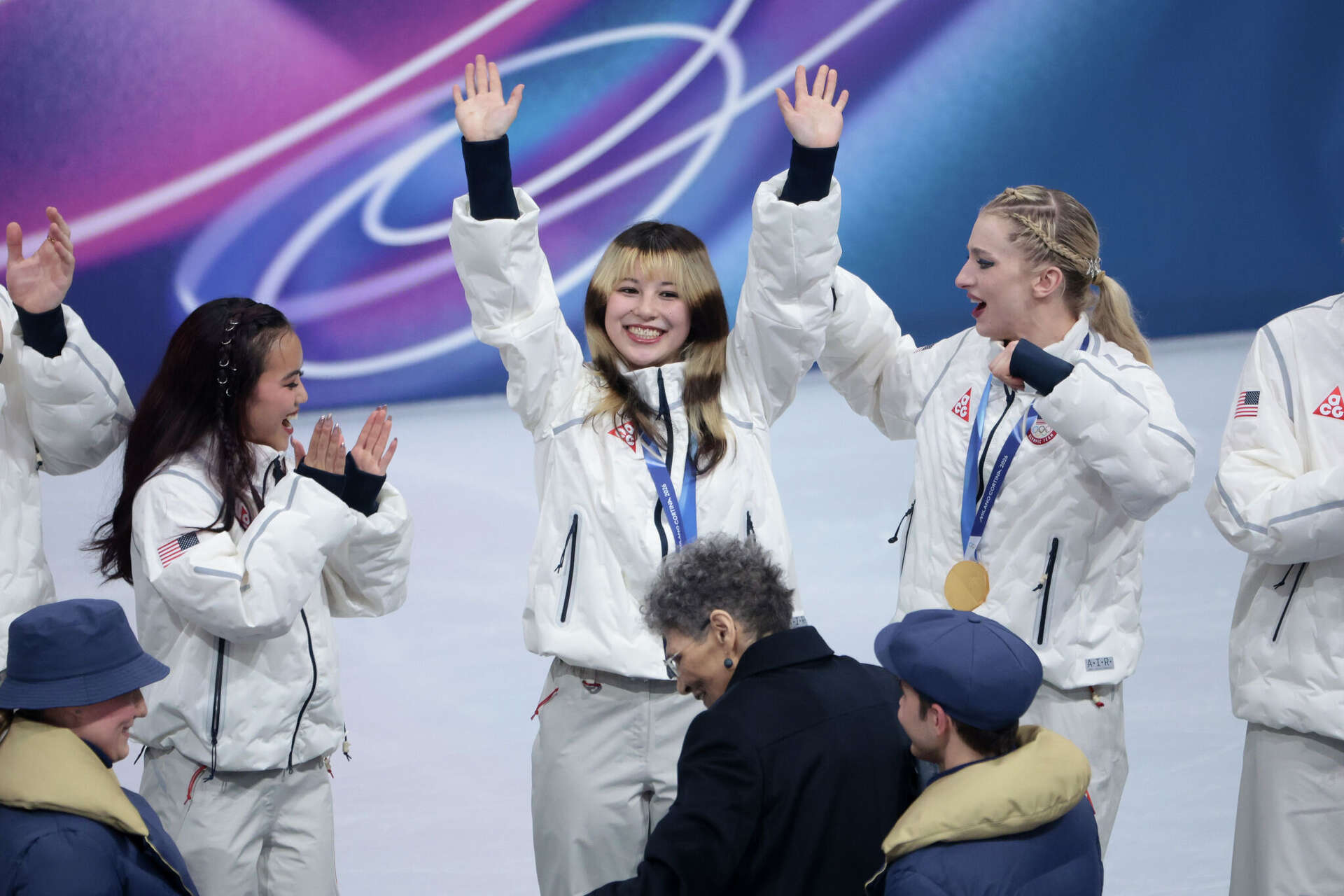
Fans wanted a narrative — a tidy arc, a partnership label, something cinematic. “Ice Dancer Era” sounded poetic, almost inevitable. Yet what made their connection compelling was precisely the absence of performance. They were not pretending to be something they weren’t. They were two elite competitors navigating viral chaos, dissected frame by frame online, while trying to protect the fragile mental space required to land quadruple jumps under Olympic scrutiny.
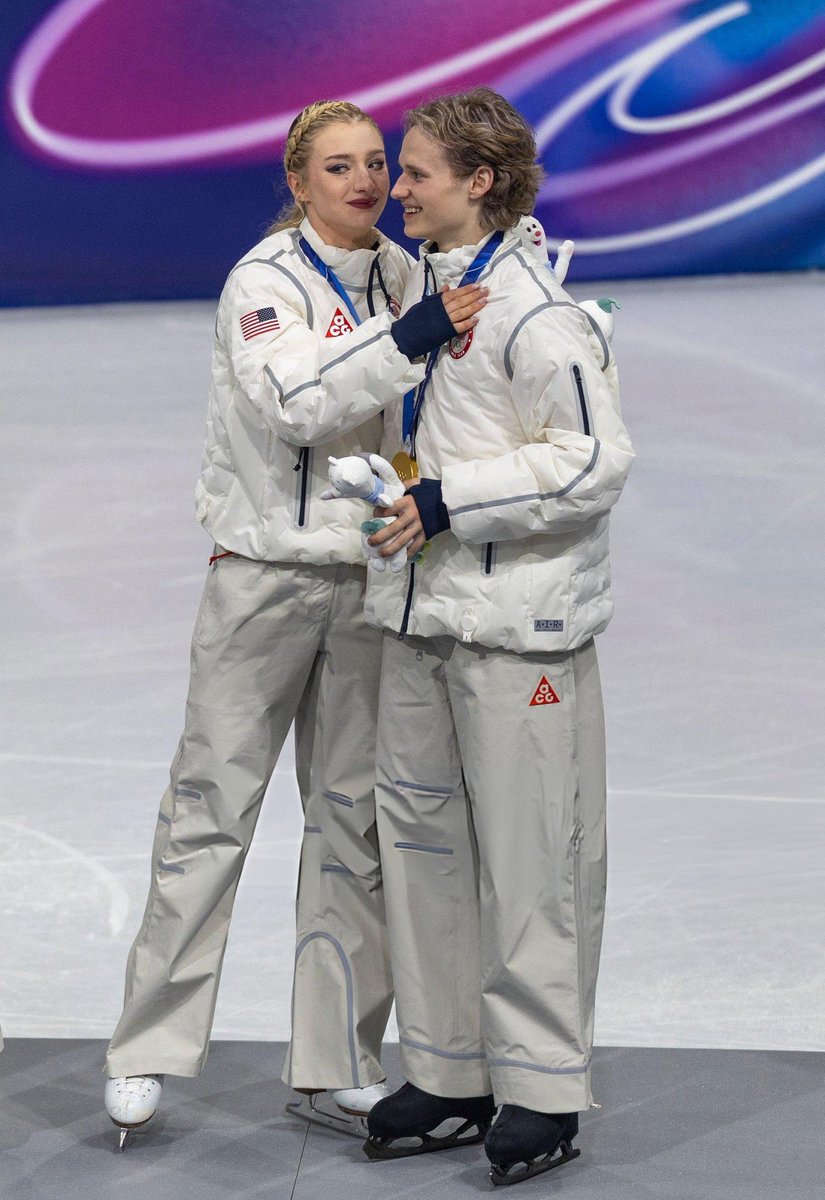
The spotlight can isolate. In 2026, it also tethered them together.
Every Games creates its share of champions and heartbreaks. Medals define history books. But sometimes, what lingers longer are the unscripted human moments — the resilience forged not in choreographed routines, but in survival of the stage itself.
Call it an era if you must. The internet will always find a title. Yet what Malinin and Glenn shared was less about aesthetics and more about endurance — a bond shaped in the harshest glare of Olympic expectation, where authenticity shines brighter than any glittering costume ever could.
UDHËTO LIRË.
UDHËTO KOMOD.
Rezervo online shpejt, lehtë dhe pa stres.