Adam Sandler Sparks Backlash with Controversial Remarks on Somali Immigrants and Ilhan Omar
In an unexpected turn of events, actor and comedian Adam Sandler has ignited a media firestorm with comments that have quickly spread across social media and news outlets.
During a recent public appearance, Sandler made remarks that have drawn intense criticism from some while receiving support from others, particularly regarding Somali immigrants and Representative Ilhan Omar.
His comments have raised important questions about the current political climate in America and the evolving discourse on immigration, identity, and national values.
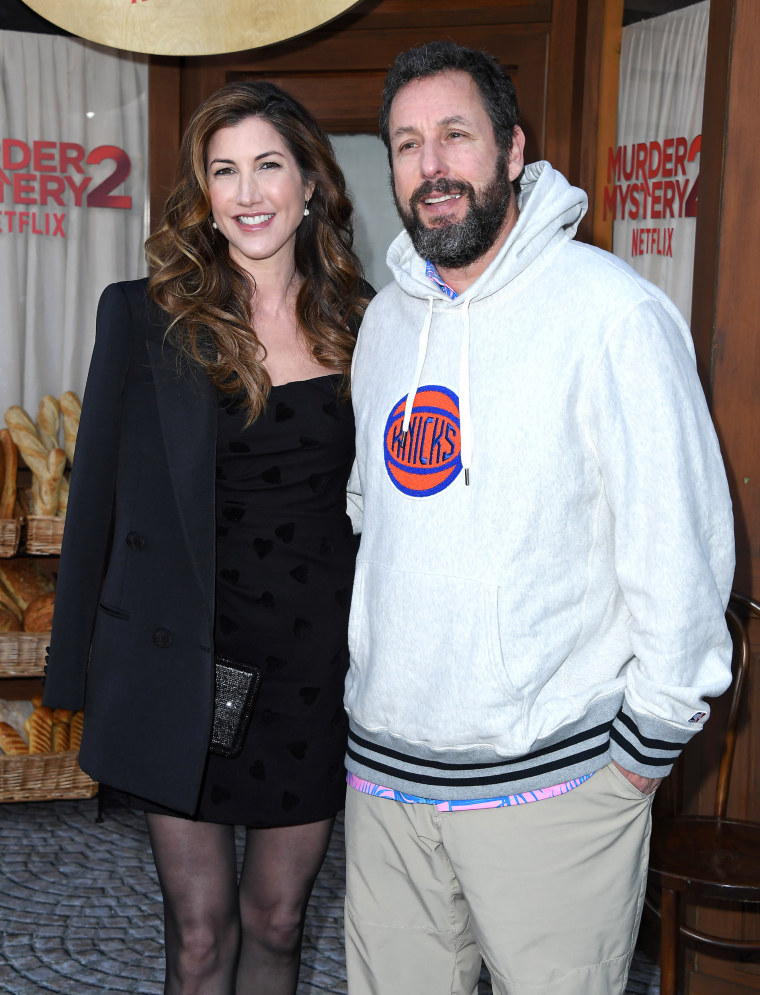
Sandler, known for his comedic roles and laid-back persona, took a serious turn during his speech, addressing the issue of immigration and its perceived impact on American society.
“This country welcomes people in good faith,” Sandler began, speaking about the nation’s long history of embracing immigrants.
“But what we get in return — from some — is contempt for our culture, our values, and our Constitution.
Maybe it’s time we started speaking up for the silent majority.”
The specific focus of Sandler’s remarks was aimed at Representative Ilhan Omar, a U. S.
Congresswoman who was born in Somalia and became a naturalized American citizen.
Omar, a vocal progressive figure, has faced both adulation and fierce criticism throughout her political career.
She is particularly known for advocating for policies that champion racial justice, immigration reform, and progressive social change.
Sandler’s statement, “Starting with Ilhan Omar,” placed her squarely in the spotlight, leading many to view it as a targeted critique of her and other immigrants.

The response to Sandler’s speech has been swift and divisive. Critics have condemned his comments as xenophobic and harmful.
Many argue that his remarks reflect a growing sentiment of nativism that undermines the values of inclusivity and diversity that the United States has long stood for.
“These kinds of statements only serve to deepen the divides in our society,” said Ana Pérez, an immigration rights activist.
“By singling out a Somali-American congresswoman, Sandler is feeding into the narrative that certain people don’t belong here, which is not only un-American, but dangerous.”
Representative Omar herself has faced constant attacks, particularly from critics who oppose her progressive stance on issues like healthcare, foreign policy, and immigration.
However, many see her as a symbol of the American immigrant experience, a success story of someone who fled war-torn Somalia and rose to become a powerful political voice.
To critics of Sandler’s remarks, his choice to target Omar only heightens the danger of stoking racial and ethnic tensions in an already polarized political landscape.
Supporters of Sandler, however, are praising him for what they see as a bold, honest critique of a system they believe has become too accommodating to certain immigrant groups who, in their view, fail to respect American values.
“Finally, someone said what millions of Americans are afraid to admit,” said David Thompson, a conservative political commentator.
“There’s a growing frustration in the country with the pace of immigration and the apparent disregard for our cultural norms.
Adam is just speaking out for the people who feel their voices have been ignored for too long.”
Sandler’s defenders argue that his comments reflect a deeper concern about the cultural shift in the U. S.
, particularly regarding the values and principles that have shaped the nation for centuries.
They assert that the rapid demographic and cultural changes resulting from immigration should be addressed honestly, and that speaking up about these concerns is a necessary step toward preserving the nation’s identity.
Nevertheless, many have pointed out the dangers of framing immigration as a threat to American values, particularly when it involves broad generalizations about specific groups of people.
Critics argue that such statements fail to acknowledge the many contributions that immigrants — including Somali-Americans — have made to the fabric of American society.
Whether through community activism, entrepreneurship, or contributions to the cultural and political life of the nation, immigrant groups like those from Somalia have played a vital role in the country’s development.
The debate surrounding Sandler’s comments is part of a larger conversation about the role of immigrants in the U. S.
and the ongoing tensions between nationalism and inclusivity. While there is no question that the U. S.
has long been a nation of immigrants, the speed and scope of immigration, especially from non-Western countries, has prompted a backlash from certain segments of the population.
This has given rise to the question of how the country should balance the values of welcoming newcomers with the need to maintain its cultural identity and national security.
In the wake of this controversy, it is clear that the conversation on immigration is far from over.
Sandler’s remarks have reignited debates about the direction the country is heading, and the role that both immigrants and American citizens play in shaping that future.
While his comments have stirred strong reactions, they also provide an opportunity for reflection on how the U. S.
can navigate its demographic changes in a way that respects both the country’s history and the rights of all who call it home.
For now, the public remains deeply divided on the issue, and it remains to be seen whether Sandler’s speech will be remembered as a pivotal moment in the conversation about American identity or as an ill-advised misstep.
What is certain is that the debate over immigration and the values that define the United States will continue to shape the political and social landscape in the years to come.
As America grapples with these challenging questions, it is essential to engage in thoughtful and respectful dialogue that acknowledges the complexity of immigration, while also safeguarding the principles that have made the country a beacon of hope for millions around the world.
The future of the nation may depend on the ability to balance these competing values in a way that unites, rather than divides, its people.
UDHËTO LIRË.
UDHËTO KOMOD.
Rezervo online shpejt, lehtë dhe pa stres.